Is there really a magic number when it comes to how often you should start your car to keep it in top condition?
You’ve likely heard theories suggesting that frequent starts and stops wear out your engine faster, while others claim that letting your car sit unused could lead to battery drain and other mechanical issues.
It’s important to find a balance that suits your vehicle’s specific needs, based on manufacturer recommendations and your personal driving habits.
Understanding these principles can greatly influence your car’s performance and longevity, so let’s unpack the facts and myths surrounding starting frequency and its impact on your vehicle’s health.
Understanding Starting Frequency
To maintain your vehicle’s health effectively, it’s important to understand and adhere to the recommended starting frequency for maintenance tasks. This means aligning with the manufacturer’s guidelines that tailor the starting frequency based on your car’s specific needs.
Regular maintenance, scheduled according to these starting frequencies, is the foundation of peak vehicle health. Whether it’s changing the oil, checking the brakes, or inspecting fluid levels, each task has a set beginning point that’s vital for preventing costly repairs down the line.
Understanding maintenance schedules isn’t just about following dates; it’s about adapting to how your driving habits and mileage might demand more frequent check-ups.
For instance, if you’re frequently driving in harsh conditions or racking up miles more quickly than average, your vehicle might need attention sooner than the typical guidelines suggest.
Routine Inspection Schedules
You should schedule routine inspections every 5,000 to 7,500 miles to guarantee your vehicle remains in peak condition. Adhering to this essential maintenance schedule is vital for enhancing vehicle performance and ensuring longevity.
Consider how your driving habits influence the frequency of these checks. If you frequently drive in harsh conditions, you might need to shorten the interval between inspections.
During each inspection, key systems and components should be reviewed to identify any potential problems. This includes checking the engine, brakes, tires, and fluid levels, among others.
Signs of Vehicle Distress
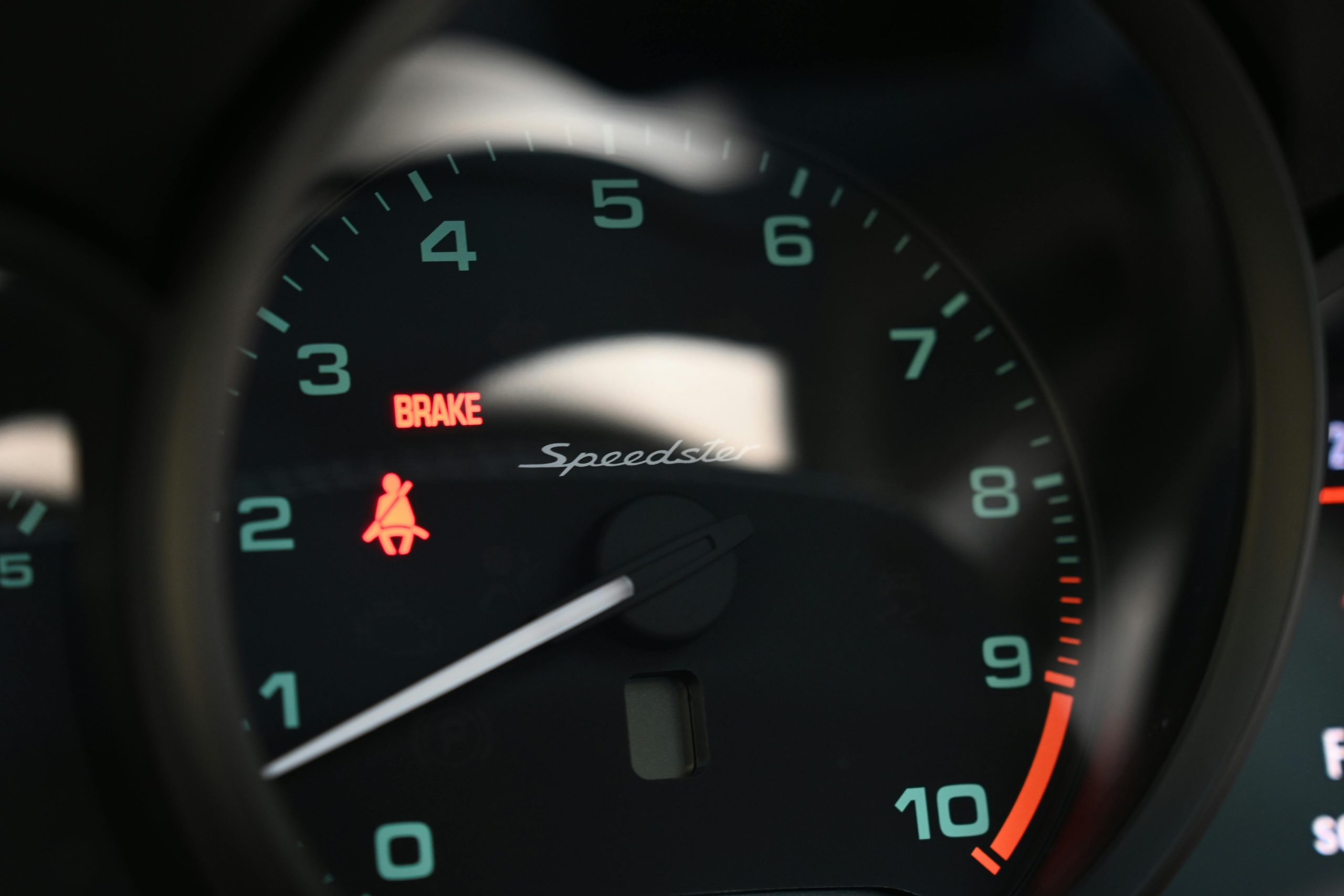
Recognizing signs of vehicle distress early can greatly diminish the risk of costly repairs and safeguard your car remains in peak condition. When you notice warning lights such as the check engine light or brake indicators illuminated on your dashboard, it’s important to take immediate action.
If you hear unusual noises like squealing brakes or grinding sounds, these could be clear indicators of mechanical degradation. Squealing usually points to worn brake pads, while grinding might suggest more severe damage to your brake components or other mechanical systems.
Another sign to watch for is decreased fuel efficiency, which can indicate issues with your engine or fuel system. This might be accompanied by fluid leaks under your car or unusual odors inside the cabin, signaling leaks or failures in engine components.
Being aware of these signs and responding promptly won’t only save you money in the long run but also strengthen the sense of security and reliability you feel with your vehicle.
Maintenance for Optimal Performance
Acknowledging these signs of distress allows for a smooth transition into regular vehicle maintenance, which enhances performance and prevents costly issues. As a car owner, you’re part of a community that values not just mobility but also the efficiency and longevity of your vehicle.
Let’s explore the essentials of maintaining your car for peak performance:
- Engine Efficiency: Regularly check and change your car’s oil to guarantee the engine runs smoothly. Clean oil reduces wear and tear by minimizing friction and removing impurities that can damage the engine.
- Air Flow Optimization: Replace air filters as recommended. A clean air filter ensures that your engine receives plenty of clean air, which is essential for efficient fuel combustion and engine performance.
- Brake Reliability: Conduct routine brake checks to ensure your safety and prevent potential road hazards. Well-maintained brakes are vital for responsive stopping power and can significantly decrease the risk of accidents.
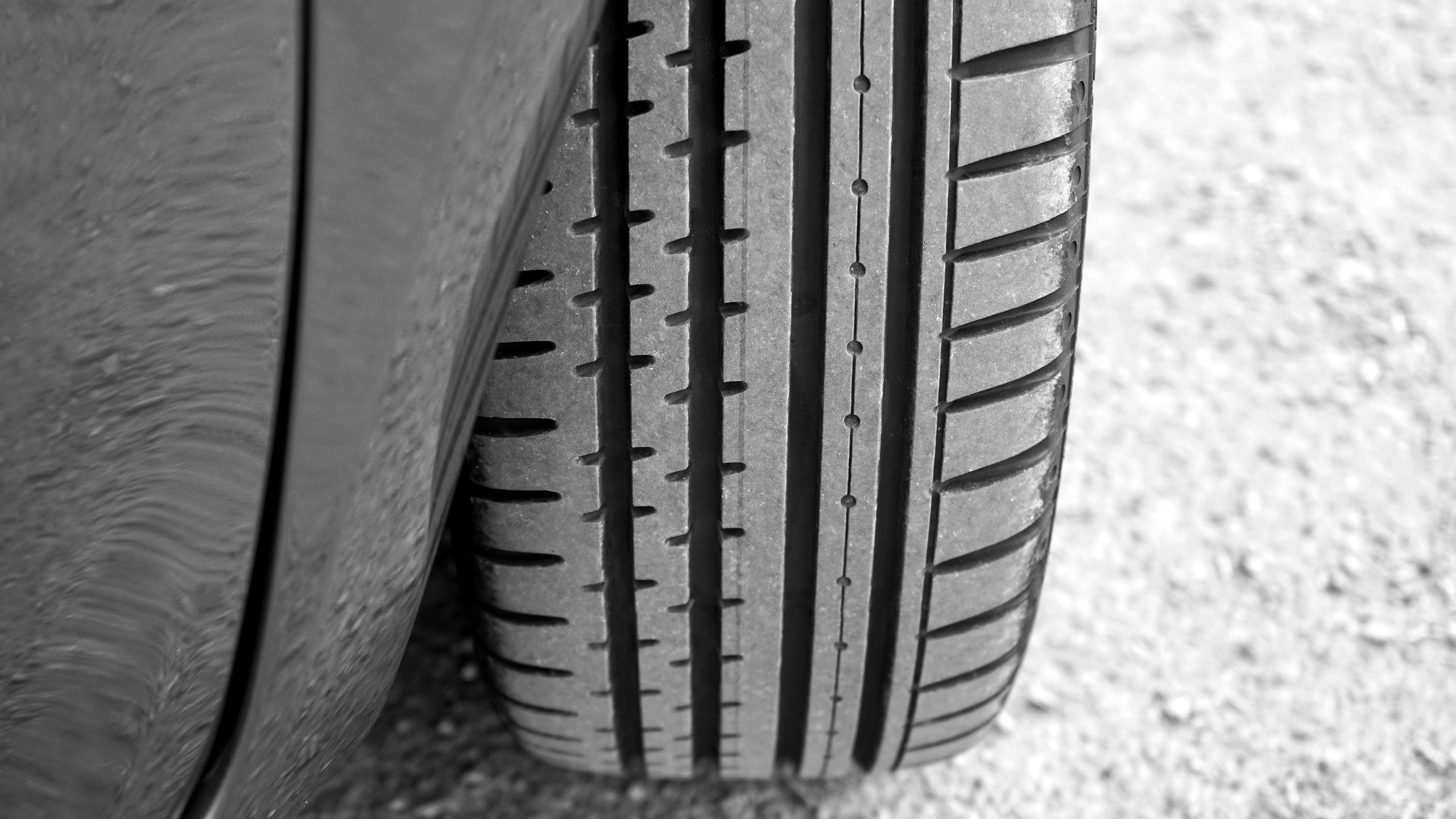
- Tire Maintenance: Regularly rotate your tires and check their pressure. Properly inflated and rotated tires wear more evenly, provide better stability, improve fuel economy, and enhance overall vehicle handling.
Longevity Through Regular Checks
Regular vehicle checks and maintenance schedules dramatically enhance your car’s longevity and operational efficiency. By sticking to a plan that emphasizes proactive care, you’re not just ensuring smooth rides; you’re also becoming part of a community of responsible vehicle owners who prioritize vehicle health.
Consistent checks are the cornerstone of preventive maintenance. They allow you to identify issues early, which helps prevent major breakdowns that can be costly and inconvenient. Each inspection, whether it’s checking fluid levels, inspecting brake systems, or replacing filters, contributes directly to the longevity benefits of your vehicle.
This kind of regular maintenance doesn’t just extend the lifespan of your car; it also preserves its value over time.
Conclusion
You’ve learned the importance of starting frequencies in maintaining your vehicle’s health. By routinely inspecting your car every 5,000 to 7,500 miles, you’ll catch issues early, save on repairs, and avoid breakdowns.
Remember, regular checks boost performance, enhance longevity, and guarantee operational efficiency. Stick to your scheduled maintenance; it’s the key to a reliable, high-performing vehicle.
Let’s keep your car running smoothly and efficiently, mile after mile. Prioritize maintenance, prioritize performance.