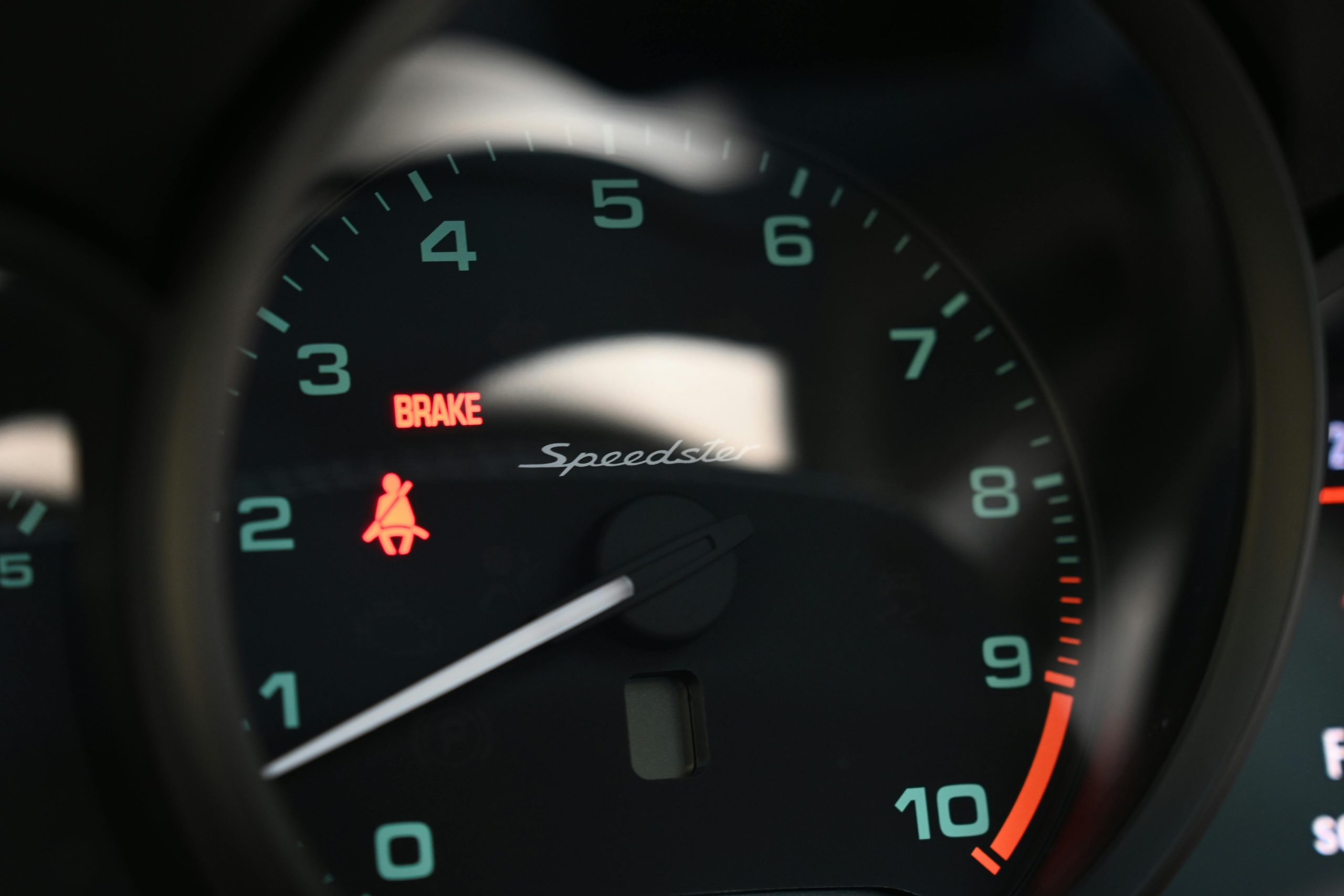
When your car starts to sputter and the check engine light illuminates, it’s a clear signal that something isn’t right under the hood.
You’re likely facing issues that could range from minor to severe, and pinpointing the exact cause is crucial. Whether it’s a problem with the fuel system, ignition system, or something more complex, each symptom can lead you to a specific set of potential fixes.
Now, you might think you can ignore this for a while, but small signs like these can escalate quickly. So, what’s the next step in diagnosing and fixing the issue? Let’s explore how you can tackle this situation effectively.
Identifying Common Symptoms
When your car sputtering check engine light on, it’s important to identify the symptoms quickly to address potential issues.
You’re not alone in this. Many experience engine sputtering as a sign to unite with their mechanic. This could indicate underlying issues, needing immediate attention.
Let’s tackle this together, ensuring your car’s health and your peace of mind.
Fuel System Diagnostics
When addressing issues with your car’s performance, concentrating on the fuel system is essential. You’ll need to inspect if the fuel filter is clogged, as this can severely hinder engine function.
Evaluating the fuel pump and fuel injectors for any faults is vital for pinpointing the source of your car’s sputtering and check engine light issues.
Identifying Fuel Filter Issues
To identify fuel filter issues in your vehicle, start by checking the fuel pressure and inspecting the filter for any signs of clogging.
If you notice engine hesitation or frequent stalling, it’s likely a clogged fuel filter. Replacing it every 30,000 to 60,000 miles guarantees smoother performance and prevents unnecessary strain on your engine.
Checking Fuel Pump Function
Check your vehicle’s fuel pump function by monitoring fuel pressure readings at idle and under load, ensuring consistent delivery. Here’s how you can dive deeper:
- Use a fuel pressure gauge to check for consistent pressure.
- Verify the power and ground connections for any electrical issues.
- If unsure, consult a professional mechanic to get a thorough evaluation and peace of mind.
Fuel Injector Performance Assessment
Evaluate your vehicle’s fuel injector performance by measuring the fuel flow rate and spray pattern to guarantee excellent fuel delivery. Join the savvy drivers who safeguard their injectors function flawlessly.
Use a fuel pressure gauge and a multimeter to check for consistency and faults. If sputtering persists, consider ultrasonic cleaning to rejuvenate your engine’s heartbeat.
Ignition System Checks
Inspect your vehicle’s ignition system components, like spark plugs and coils, for signs of wear or damage.
Join us in ensuring your ride runs smoothly by following these simple steps:
- Verify the ignition timing is set to your manufacturer’s specifications.
- Use a spark tester to check for strong spark delivery.
- Clean any carbon buildup off the spark plugs to maintain peak performance.
Exhaust and Emission Controls
Moving on to your vehicle’s exhaust and emission controls, let’s focus on key components that play a vital role in ensuring your ride runs clean and smooth.
The catalytic converter plays an essential role in reducing toxic gases, turning them into less harmful emissions.
We’ll talk about the importance of oxygen sensors in maintaining peak fuel efficiency and the basics of the EGR system, which helps limit nitrogen oxide emissions.
Catalytic Converter Functions
Your vehicle’s catalytic converter plays a vital role in reducing harmful emissions by transforming toxic gases into safer compounds.
Here’s how it impacts your car:
- Breaks Down Pollutants: Converts carbon monoxide and hydrocarbons into water vapor and carbon dioxide.
- Ensures Efficiency: Helps your exhaust system meet regulatory emissions standards.
- Uses Precious Metals: Platinum, palladium, and rhodium act as catalysts to facilitate these reactions.
Oxygen Sensor Importance
Oxygen sensors are crucial for monitoring exhaust gases and optimizing your vehicle’s fuel efficiency. They guarantee you’re part of a community committed to reducing emissions and saving on fuel costs.
When these sensors falter, your engine might sputter, triggering the check engine light. Regular checks and replacements keep your car running smoothly, making you a responsible member of the driving community.
EGR System Overview
Let’s now explore the EGR system, which plays a key role in reducing your car’s emissions by recirculating exhaust gases.
Here’s how it impacts you:
- Reduces Emissions: Lowers harmful nitrogen oxide levels.
- Prevents Knocking: Helps maintain a cooler engine combustion temperature.
- Enhances Performance: Regular maintenance of the EGR system guarantees your engine runs smoothly and efficiently.
Engine and Vacuum Tests
To identify leaks in your engine’s vacuum system, perform a vacuum test using a gauge to verify that vacuum levels align with manufacturer specifications.
You’re not alone in tackling sputtering issues; this community understands the struggle. Inspect hoses and fittings for any signs of wear that disrupt balance and performance.
Addressing these can greatly enhance your engine’s efficiency and keep you smoothly on the road.
Professional Repair Vs DIY
When deciding whether to tackle check engine light and sputtering issues yourself or opt for professional repair, consider the specialized tools and diagnostic equipment that repair shops possess.
Here’s why you might lean towards professional help:
- Expertise: Mechanics have the training to diagnose accurately.
- Tools: Access to advanced technology.
- Warranty: Peace of mind with guaranteed parts and service.
Conclusion
In the face of a check engine light and sputtering engine, don’t just cross your fingers and hope for the best. Dive deep with diagnostics and choose your battle; be it a professional repair or a DIY fix.
Remember, tackling these signs early is the stitch in time that saves nine, keeping your ride smooth and saving you from costly repairs down the road.
Equip yourself with knowledge and take decisive action to steer clear of bigger troubles.