Have you ever wondered how long you can ignore the creaks and leaks from your car’s steering system before it bites back?
When your rack and pinion start failing, you’re facing more than just an annoying repair bill; you’re compromising your safety and that of others every time you hit the road.
Ignoring these warning signs can swiftly escalate from a minor annoyance to a major hazard. What might happen if you push your luck too far, and how soon should you act to prevent a full-blown crisis?
Let’s explore why timely intervention is not just advisable, but essential.
Identifying a Failing Rack and Pinion
If you notice your car’s steering feels rougher or you hear squeaking when turning, these may be signs that your rack and pinion is failing. These key indicators shouldn’t be ignored as they directly affect your ability to steer safely.
A failing rack can lead to a range of steering issues that not only diminish your car’s performance but can also pose significant safety hazards.
One critical step is to check your power steering fluid levels regularly. A drop in fluid level often points to leaks, which may occur in the rack and pinion unit itself or at the connections with tie rods.
If you spot any leaks, or if oil is visible around the boot, this is a clear call for prompt replacement. Ignoring these signs can exacerbate the problem, leading to a complete breakdown of the steering system.
To maintain your vehicle’s integrity and your safety, replacing a failing rack and pinion should be done without delay. Not only does this restore the smooth steering feel, but it also prevents further damage to your vehicle’s steering system.
Immediate Risks of Ignoring Problems
Ignoring the signs of a failing rack and pinion not only compromises your vehicle’s steering precision but also elevates the risk of losing control while driving.
When you overlook these warnings, you’re setting yourself up for increased steering difficulty, a clear safety compromise. You’re not just risking rack and pinion failure; you’re inviting potential mechanical failures that could endanger you and others on the road.
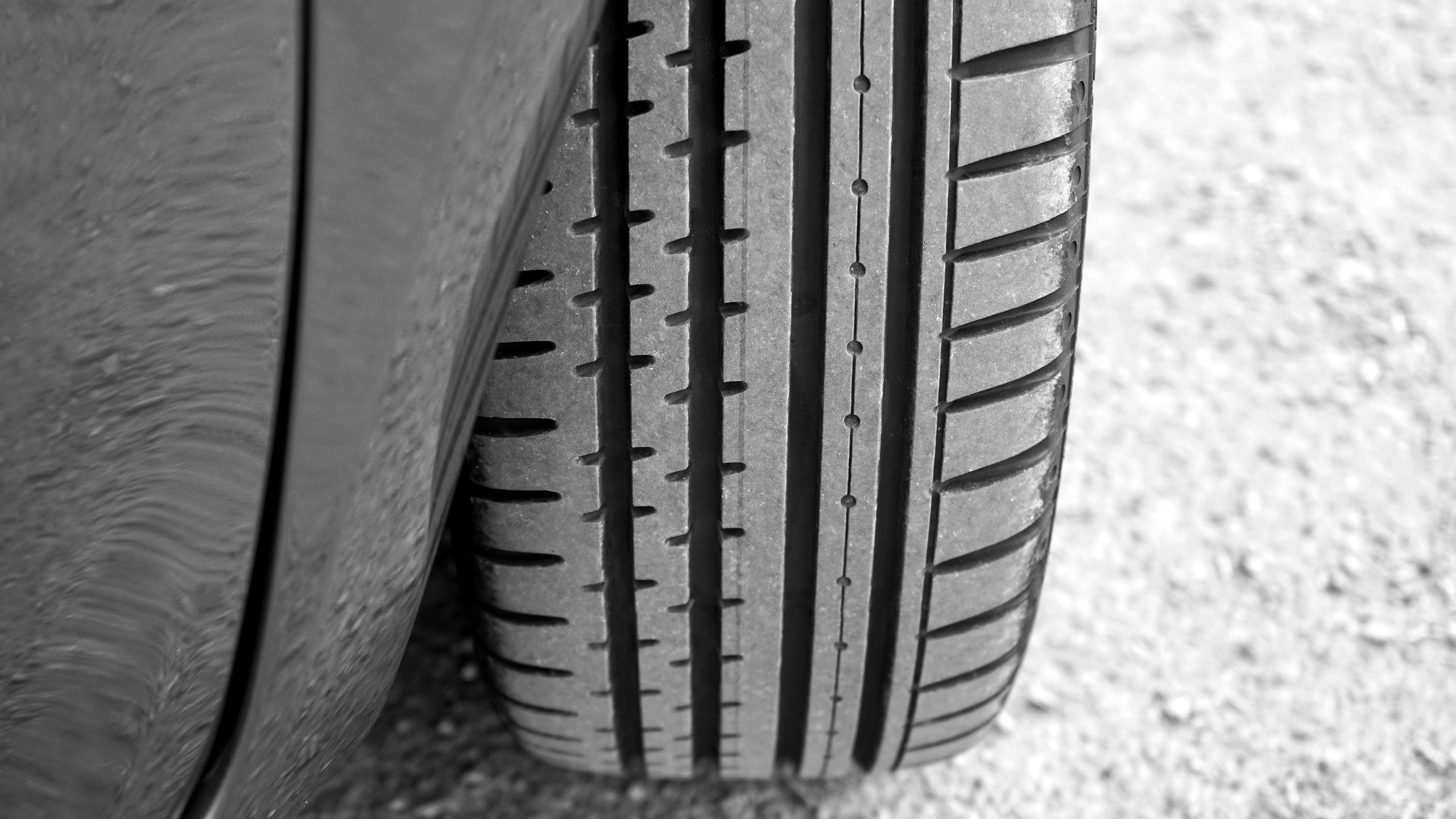
Continued neglect can lead to uneven tire wear. This doesn’t just affect tire longevity but also impacts the synergy between your car’s components, pushing them towards premature wear and tear.
A leaking rack and pinion could cause power steering fluid loss, diminishing the effectiveness of your steering system. This degradation demands more effort to steer, which in turn, strains other steering components, setting off a domino effect of damage and extensive and costly repairs.
Don’t wait until these issues escalate. Addressing a failing rack and pinion promptly not only saves you from hefty repair bills but also reinstates your vehicle’s reliability. Act now; don’t underestimate the risks of ignoring these critical signs.
Costs of Delayed Repairs
Neglecting timely repairs on your rack and pinion system can escalate costs drastically, potentially ranging from $500 to $1000. When you delay addressing this vital repair, you’re not just risking your safety, but you’re also setting yourself up for a bigger financial hit down the road.
Here’s what you’re looking at if you prolong these necessary repairs:
- Increased Repair Costs: As the rack and pinion deteriorates, it affects other components of the steering system. This can double or even triple your expenses as more parts fail and need replacement.
- Safety Risks: Ignoring the signs of a failing rack and pinion compromises your vehicle’s handling. This puts you, your passengers, and other road users at risk due to potential loss of steering control.
- Total Steering Failure: The longer repairs are delayed, the closer you get to a complete steering system breakdown. Not only does this mean a heftier repair bill, but it also means your vehicle might be out of commission until fixed.
When to Consult a Professional
You should consult a professional as soon as you notice any unusual symptoms in your steering system to prevent escalating problems. When your rack and pinion begin showing signs of wear, especially through increased steering effort or hearing unusual noises, it’s important to seek expert advice.
If you detect any play or looseness in your steering, or if steering starts to feel rough, these could be clear indicators of a failing rack and pinion. Such symptoms often don’t just resolve on their own and typically signal that something within the system is deteriorating.
Fluid loss is another serious sign that should prompt an immediate consultation with a professional. Make it a routine to monitor the fluid level; this simple check can save you from future headaches.
Conclusion
So, you’ve spotted the telltale signs: your steering’s rough and there’s that persistent squeak. Ignoring a failing rack and pinion is like playing roulette with your safety; it’s a gamble you don’t want to take. Don’t wait until your steering fails completely or repair costs skyrocket. Act now; consult a professional to restore your vehicle’s integrity and safeguard your safety.