A bad wheel bearing can turn your smooth ride into a noisy, unsafe journey. Diagnosing it early is essential for your safety and your vehicle’s health.
The good news? You don’t need fancy tools or advanced skills to figure out if your wheel bearing is the culprit.
This guide will teach you how to diagnose a bad wheel bearing with simple tools and basic steps anyone can follow.
What is a Wheel Bearing?
A wheel bearing is a crucial component that allows your wheel to rotate smoothly. It’s located inside the wheel hub assembly and helps minimize friction.
Over time, these bearings can wear out due to heavy loads, lack of lubrication, or exposure to the elements. When this happens, you’ll notice symptoms that shouldn’t be ignored.
Signs of a Bad Wheel Bearing
Before diving into the diagnosis, familiarize yourself with the warning signs of a bad wheel bearing:
- Grinding Noise: A constant grinding or growling noise while driving, especially during turns.
- Vibration: You might feel vibrations in your steering wheel or vehicle body.
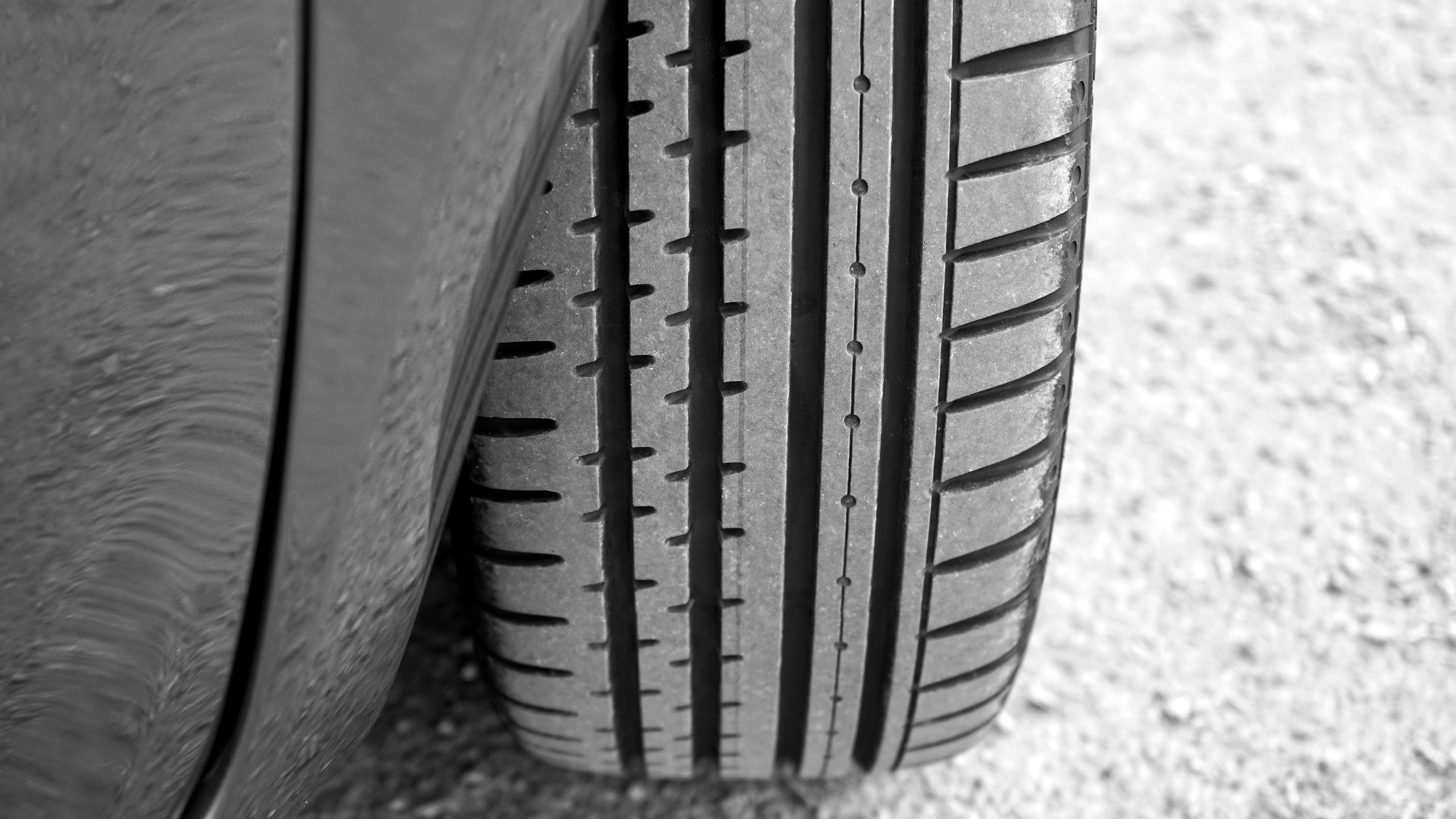
- Uneven Tire Wear: A damaged wheel bearing can lead to abnormal tire wear patterns.
- Loose Steering: Difficulty keeping the vehicle straight could indicate bearing issues.
- ABS Warning Light: Modern vehicles may trigger the ABS light due to faulty wheel bearings.
If you notice any of these symptoms, it’s time to grab your tools and inspect the wheel bearing.
Tools You’ll Need
Diagnosing a bad wheel bearing requires minimal tools, most of which you may already have at home:
- Jack and Jack Stands: To lift the vehicle safely.
- Lug Wrench: To remove the wheel.
- Screwdriver or Pry Bar: To test for wheel play.
- Gloves: For safety.
- Flashlight: To inspect the bearing area more closely.
Step-by-Step Guide to Diagnose a Bad Wheel Bearing
Follow these simple steps to determine if your wheel bearing is faulty:
1. Listen for Noise
Start by taking your car for a test drive in a quiet area. Roll down your windows and pay close attention to the sounds while driving.
- Straight Driving: If you hear a humming or growling noise, it could be the wheel bearing.
- Turning: A bad bearing on one side will get louder when turning away from that side and quieter when turning towards it.
2. Secure the Vehicle
Park your car on a flat surface and engage the parking brake. Place wheel chocks behind the wheels for added safety.
3. Lift the Vehicle
Use a jack to lift the suspected wheel off the ground and secure the car with jack stands. Make sure the wheel is completely off the ground for proper inspection.
4. Check for Wheel Play
With the wheel still attached:
- Grip the tire at the 12 o’clock and 6 o’clock positions.
- Try rocking the wheel back and forth.
- Excessive Play: If the wheel wobbles, the bearing could be bad.
- No Movement: A little resistance is normal, but zero movement suggests the bearing is intact.
5. Spin the Wheel
Manually spin the wheel and listen for unusual noises.
- A grinding or scraping sound is a strong indicator of a bad bearing.
- The wheel should spin smoothly. If you feel resistance or roughness, the bearing may need replacement.
6. Inspect the Bearing Area
Use a flashlight to examine the bearing area. Look for visible signs of damage, such as:
- Leaking Grease: Damaged bearings may leak lubricant.
- Rust or Corrosion: This can cause premature wear.
- Heat Discoloration: A bad bearing might show signs of overheating.
7. Test the Hub Assembly
Remove the wheel if you need a closer look at the hub. With a screwdriver or pry bar, gently push or pull the hub to check for looseness. Any significant movement here is a clear sign of a problem.
Tips for Accuracy
- Diagnose One Wheel at a Time: Noise and vibrations can travel, so isolate each wheel for a thorough inspection.
- Compare Sides: If you’re unsure, check the same position on the other side of the vehicle. A healthy bearing provides a good comparison.
- Be Patient: Don’t rush the process. Take your time to listen and feel for the signs.
When to Seek Professional Help
If you’ve confirmed a bad wheel bearing but feel unsure about replacing it yourself, consult a professional mechanic. Driving with a failing bearing is unsafe and can lead to further damage to your vehicle.
Preventing Future Bearing Issues
- Regular Maintenance: Keep your bearings lubricated and inspect them periodically.
- Avoid Overloading: Excess weight puts unnecessary stress on the bearings.
- Drive Carefully: Avoid potholes and rough terrain when possible.
Wrap Up
Diagnosing a bad wheel bearing doesn’t require a workshop full of tools. With simple equipment and a bit of patience, you can pinpoint the problem and take action before it worsens.
By staying attentive to your vehicle’s behavior and performing regular checks, you’ll ensure safer and smoother rides for years to come.