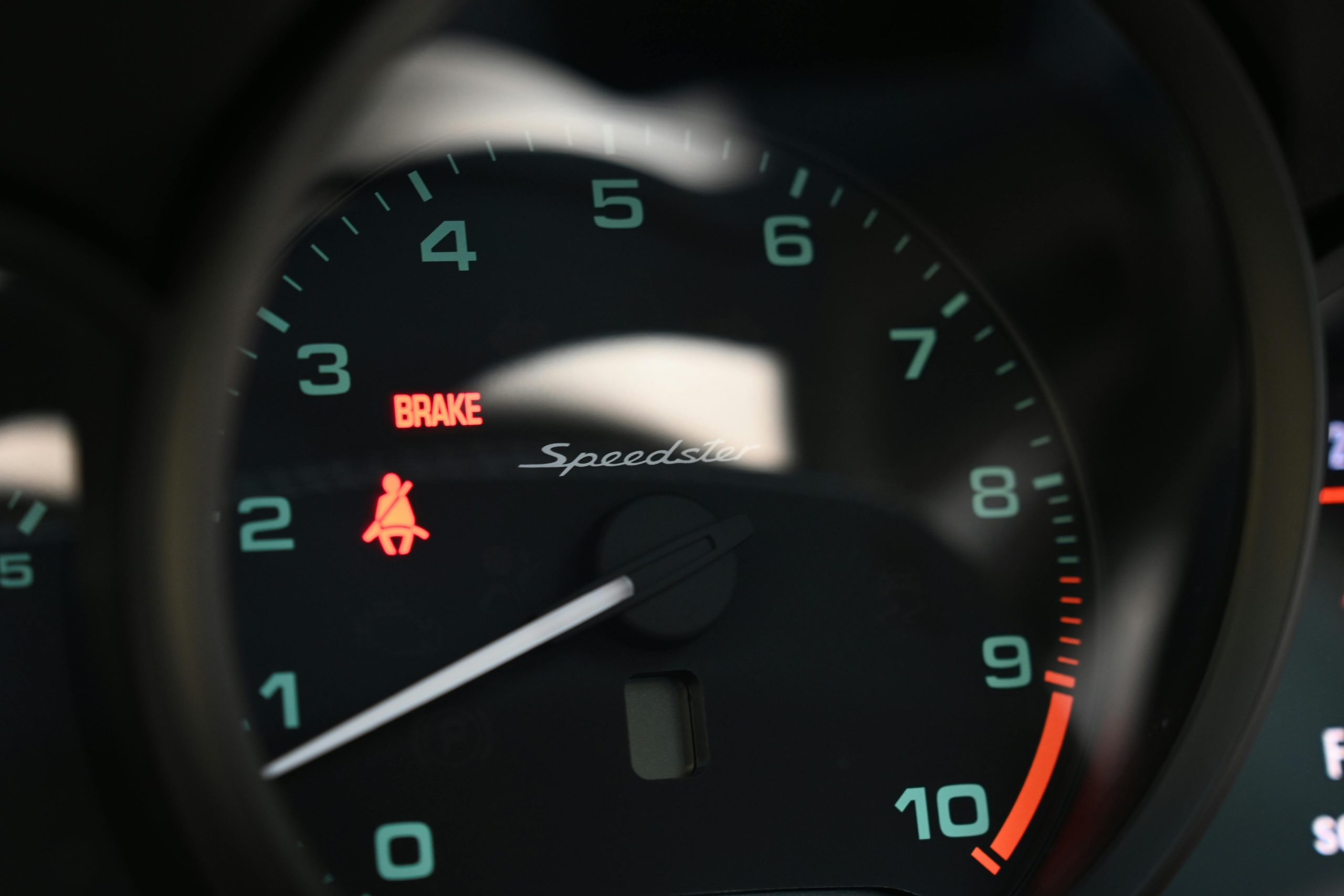
Imagine you’re driving when suddenly the alternator warning light on your dashboard flickers to life. This light is an important indicator that something might be wrong with your vehicle’s charging system.
You might wonder: Is it the battery or the alternator itself? Or perhaps a loose wire or corroded connection? Identifying the root cause can save you time and prevent future breakdowns.
By understanding the key steps to troubleshoot this warning light, you’ll be better equipped to tackle the issue head-on. So, what should you check first, and why could this be the tip of a larger problem?
Identifying the Warning Signs
When you turn the key to the RUN position, the alternator warning light should briefly illuminate, signaling a quick self-test of your vehicle’s charging system. This light is essential for monitoring the health of your alternator and ensuring it’s effectively charging the battery under varying electrical loads.
If the alternator warning light doesn’t light up at all, or if it stays on, there’s likely an issue with the charging system. This could be due to a faulty alternator, an issue with the warning light wire, or problems within the vehicle’s voltage regulator. Each of these plays a pivotal role in maintaining the correct voltage throughout your vehicle’s electrical system.
You should also watch for a dim or flickering warning light, which can indicate an inconsistent voltage output from the alternator. This could mean that the alternator is struggling to handle the electrical load, especially when additional systems like headlights or air conditioning are in use.
Checking the Battery Voltage
Next, let’s check the battery voltage while the engine is running to confirm it’s between 13.5 and 14.5 volts, indicating a properly functioning charging system. This range shows that your alternator and voltage regulator are effectively maintaining the necessary power output.
To do this, you’ll need a reliable multimeter set to measure voltage. Connect the multimeter’s leads to the battery terminals; positive to positive and negative to negative.
A reading within this range reassures you that the charging system, including the alternator and voltage regulator, is in good health.
If your readings are fluctuating or consistently below 13.5 volts, it’s a sign that there might be an issue. This could stem from a failing voltage regulator or problems within the alternator itself, such as a worn field coil or faulty diodes.
Inspecting the Alternator Belt
Have you checked your alternator belt for signs of wear or damage recently? It’s important to make sure it’s in top shape to maintain your car’s performance. Look for any cracks, fraying, or signs of wear that might compromise its functionality.
When the belt is damaged, it can’t properly turn the alternator, potentially leaving you with a dead battery and a car that won’t start.
Make sure the belt is correctly tensioned. Too loose, and it might slip or squeal when you turn the ignition key. Too tight, and it could strain the bearings and wear out prematurely. You want it just right to avoid any issues while keeping the engine running smoothly.
Ensure the belt is aligned properly on the pulleys. Misalignment can lead to uneven wear and tear, reducing the belt’s lifespan.
Regular inspections and timely replacements according to your manufacturer’s schedule are key. This proactive approach prevents unexpected breakdowns and maintains the voltage at the battery, keeping that warning light off and ensuring a smoother ride.
Testing the Electrical Connections
You should first check the connection on the S terminal wire to make sure it’s secure and free from corrosion. This is important as any fault here could trigger the alternator warning light when you turn the key.
Grab your multimeter; it’s time to explore further into the electrical health of your vehicle. Set your multimeter to measure voltage and connect it to the S terminal wire. With the engine running, observe the reading.
You’re looking for a stable voltage that reflects what your alternator should be outputting. If the volt difference is significant, this could be a sign that the alternator isn’t communicating effectively with the electrical system.
Inspect the wiring harness. Any signs of damage or wear here could compromise the entire system. Frayed wires or insulation breaks can lead to misreadings or failures, which might activate the warning light unnecessarily.
Evaluating the Charging System
To properly evaluate the charging system, start by measuring the battery voltage while the engine is running to make sure it falls within the ideal range of 13.5-14.5 volts. If your readings deviate from this, it’s time to dig deeper into your car’s electrical components.
Focus on the alternator’s regulator, which guarantees a steady voltage output. A malfunctioning regulator could lead to erratic charging and trigger the alternator warning light.
You can check this by using a multimeter at the battery terminals while gradually increasing the engine’s RPM. The voltage should remain within the ideal range without significant drops or spikes.
inspect the S terminal wire for any wear, corrosion, or loose connections. This wire is vital for the alternator’s performance and any issues here can compromise the whole system. If you’re seeing abnormal readings or the light should come on intermittently, it’s likely there’s an issue with this wire.
Conclusion
Remember that a healthy charging system is crucial. Surprisingly, about 30% of roadside vehicle breakdowns are linked to the charging system.
Always make sure your battery voltage is at the right level, the alternator belt is intact, and all connections are secure.
Regular evaluations of your charging system can prevent unexpected failures.
Don’t overlook these steps; they’re your best defense against becoming part of that statistic. Stay proactive and keep your vehicle running smoothly.