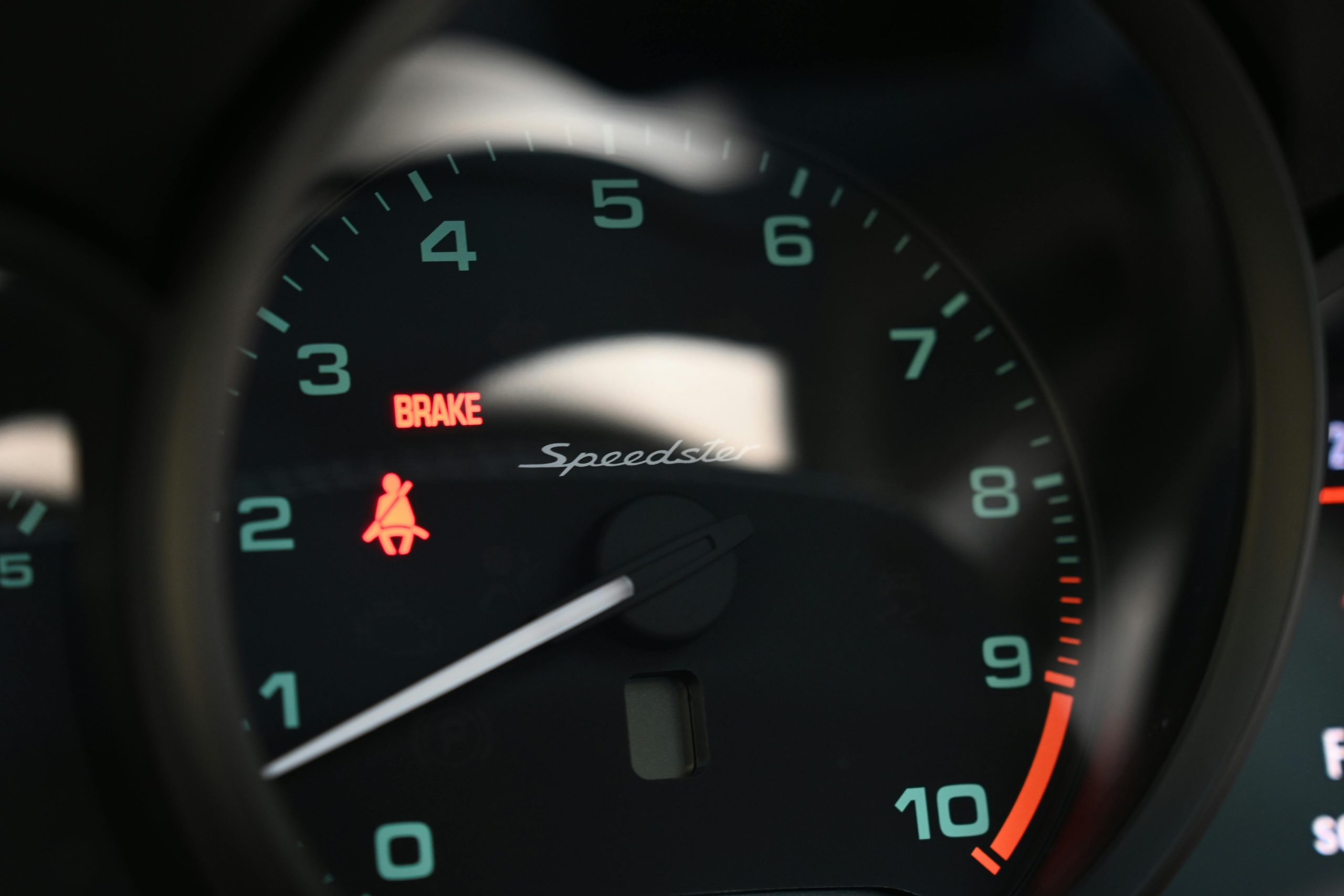
When your car decides it needs a little break on the highway, the ‘Reduced Engine Power‘ light will likely appear on your dashboard. This isn’t just a gentle reminder; it signifies that your vehicle has detected a problem that could affect its performance and, potentially, your safety.
You might wonder what causes this light to turn on and how you should respond. The reasons can vary widely from issues with the throttle system to sensor malfunctions. Let’s explore what this warning light really means for you and your car, and why ignoring it could lead to more serious problems down the road.
Understanding the Warning Light
When the ‘Reduced Engine Power’ warning light illuminates, your vehicle is automatically limiting its performance to prevent potential engine damage. This safety mechanism is essential, particularly when key components like the throttle, sensors, or fuel system malfunction.
If you face this warning, it’s best not to ignore it. Restarting your vehicle might help if it’s a minor signal error, but it’s often just a temporary fix. The root cause of the problem, whether it’s faulty wiring, overheating, or sensor issues, still needs immediate attention.
Here’s where diagnostic tools come into play. These sophisticated devices help professional mechanics decipher error codes that pinpoint the exact malfunction within your vehicle’s complex systems.
Common Triggering Issues
Several issues, including throttle body malfunctions, sensor errors, and electrical system faults, commonly trigger the ‘Reduced Engine Power‘ warning light. When you encounter this alert, taking these aspects as prime suspects is important.
If the throttle body, an integral part of your vehicle’s air intake system, is not functioning correctly, it might require cleaning or even replacement. Similarly, sensors that monitor everything from airflow to exhaust emissions can fail, sending inaccurate data to your car’s computer system.
Additionally, the electrical system, which encompasses a vast network of wiring and connectors, could have corroded or loose components, disrupting the smooth operation of your vehicle. Issues in the fuel system, such as clogged fuel injectors or a failing fuel pump, and problems within the emissions system, like faulty catalytic converters, also commonly initiate this warning.
Addressing these issues often involves cleaning or replacing faulty components and might necessitate a computer reset to clear erroneous codes from the system. Regular maintenance is crucial in preventing such problems, and seeking professional help can be essential, especially when the diagnostics are complex or unclear.
Diagnostic Steps
To diagnose the ‘Reduced Engine Power’ warning, you’ll need to use specialized diagnostic tools that identify the exact issues causing the alert. These tools, often wielded by professional mechanics, are critical in decoding the intricate signals within your vehicle’s electronic system.
They’ll interpret the diagnostic data, isolating the specific malfunctions that have led to the Reduced Engine Power Warning. This step isn’t just about identifying problems it’s about preventing potential damage that could escalate if not addressed.
Effective Solutions
You can effectively address the ‘Reduced Engine Power’ warning light by replacing malfunctioning sensors, cleaning clogged components, or resetting your vehicle’s computer system. When you’re part of the community that prides itself on maintaining excellent vehicle performance, understanding how to tackle this issue is important.
Here’s what you might consider doing:
- Replace Faulty Components: Focus particularly on the throttle body and sensors. Sensor malfunctions can mislead your car’s computer, causing it to enter Reduced Engine Power Mode to prevent further damage.
- Clean and Unclog: The throttle body can accumulate dirt and grime, which affects its function. A thorough cleaning can restore its efficiency and resolve power issues.
- Reset the Computer System: Sometimes, simply resetting your car’s computer can clear the error. However, if the light reappears, it indicates deeper electrical system problems that require professional help.
Preventative Measures
While addressing the ‘Reduced Engine Power‘ warning light after it appears is important, implementing preventative measures can greatly reduce the likelihood of encountering this issue.
Regular maintenance is vital. Make sure that air filters, fuel filters, and spark plugs are checked and replaced according to your vehicle’s maintenance schedule. These components are essential for efficient engine operation, and neglecting them can easily trigger the warning light.
Monitoring your coolant and oil levels should become a routine. Low coolant levels can lead to overheating, which in turn may activate the Reduced Engine Power mode as a protective measure.
Similarly, maintaining proper oil levels and adhering to scheduled oil changes prevent low oil pressure, another common trigger for this warning light.
Don’t overlook the condition of wires, hoses, and connectors in your engine bay. Damaged wires or loose connections can lead to electrical faults that might activate the warning light.
Conclusion
Just as a seasoned captain senses storms before they appear, your vehicle’s ‘Reduced Engine Power‘ light is a harbinger of potential turmoil under the hood. Heed its warning; it’s a crucial signal not to be ignored.
You safeguard your journey’s continuity by addressing it promptly through diagnostic rigor and precise interventions.
Let this light be your guide, not your nemesis, steering you towards preventive vigilance and ensuring a steadfast voyage through the mechanical seas.