Have you ever felt like your car was bouncing all over the place after hitting a bump? Or maybe your steering wheel shakes, or the ride feels rough even on smooth roads. These could be signs that your car’s shock absorbers are going bad.
While shocks are often ignored, they play a major role in how safe, smooth, and stable your drive feels.
Let’s dive into the most telling bad shocks symptoms so you can spot the signs before they get worse—and keep your vehicle running safely.
What Are Shock Absorbers and Why Are They Important?
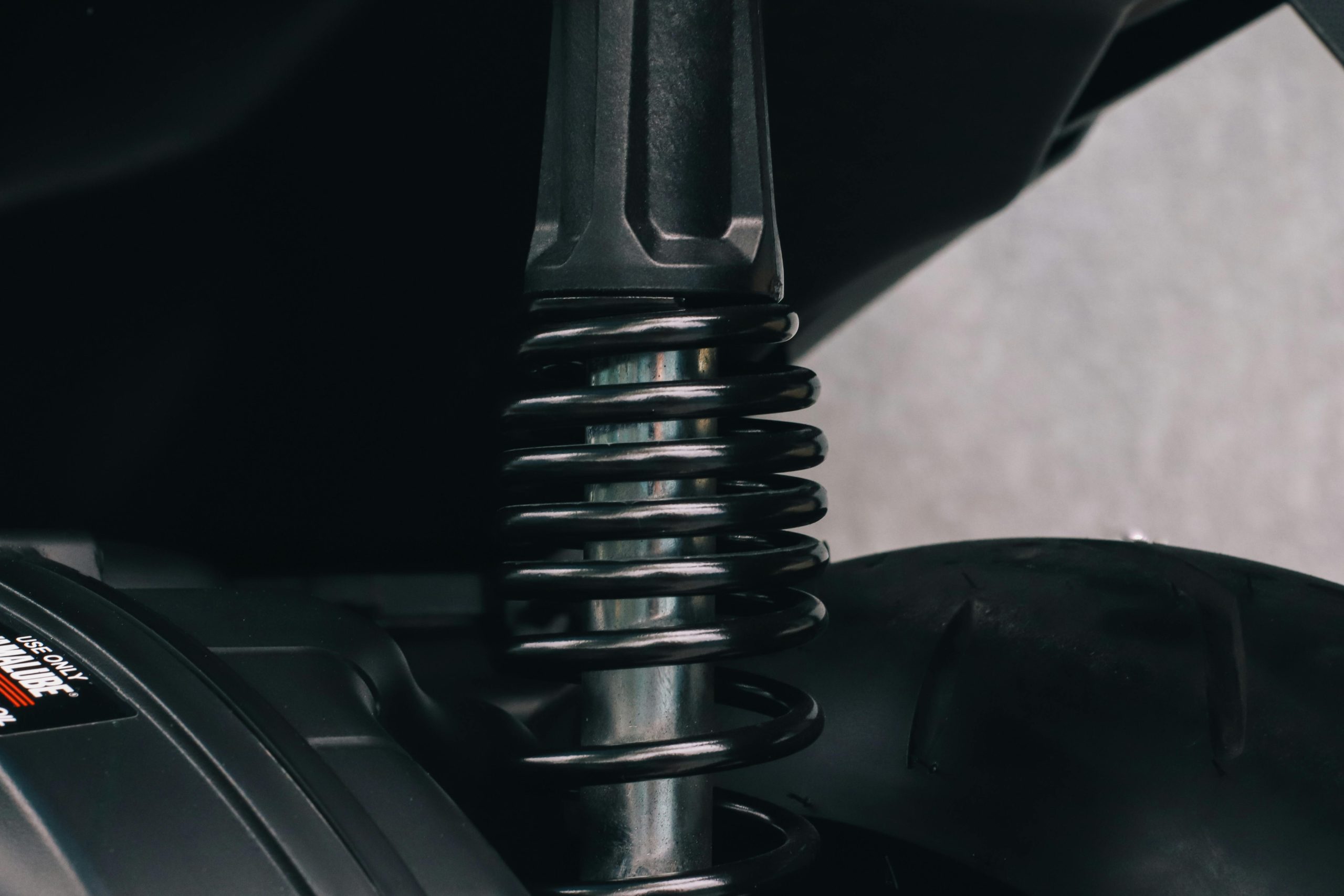
Shock absorbers—often just called “shocks”—are part of your car’s suspension system. Their main job is to absorb the impact from bumps, dips, and potholes on the road. They help keep your tires in contact with the ground and stop your car from bouncing too much.
When shocks are in good condition, your car handles well, brakes safely, and gives you a comfortable ride. But when shocks go bad, your car becomes harder to control, less safe to drive, and uncomfortable to ride in. Let’s look at the signs your shocks might be wearing out.
1. Excessive Bouncing After Hitting a Bump
One of the most obvious signs of bad shocks is bouncing—lots of it. When you go over a speed bump or a pothole, your car should bounce once or twice and settle quickly. If your car keeps bouncing up and down, your shocks are likely worn out.
You can test this at home. Try pushing down on the front or back of your parked car. If the car bounces more than two or three times before stopping, your shocks need attention. This is a simple test that can help you avoid future problems with your suspension.
2. Nose Diving When Braking
Have you ever hit the brakes and felt the front of your car dip down suddenly? That’s called “nose diving,” and it usually means your front shocks are failing.
When shocks wear out, they can’t control the forward movement of your car’s weight when you brake. This makes your car dip too much in the front, especially during quick stops.
Not only does this feel unsafe, but it can also make your car take longer to stop—putting you at risk of accidents.
If nose diving happens often, especially during panic braking, it’s time to have a mechanic check things out.
3. Swerving or Swaying in Turns
Another big warning sign of bad shocks is swaying or leaning during turns. If your car feels like it’s drifting too much or struggling to stay stable in corners, your shocks may be the issue.
Shocks help keep your car’s body steady when you’re turning. When they go bad, your car leans more than it should, especially during sharp turns or lane changes. This can make the car feel like it’s about to tip—scary and dangerous.
The worse the shocks get, the more off-balance your car becomes. Don’t ignore this. Replacing worn shocks can restore stability and confidence while driving.
4. Uneven or Unusual Tire Wear
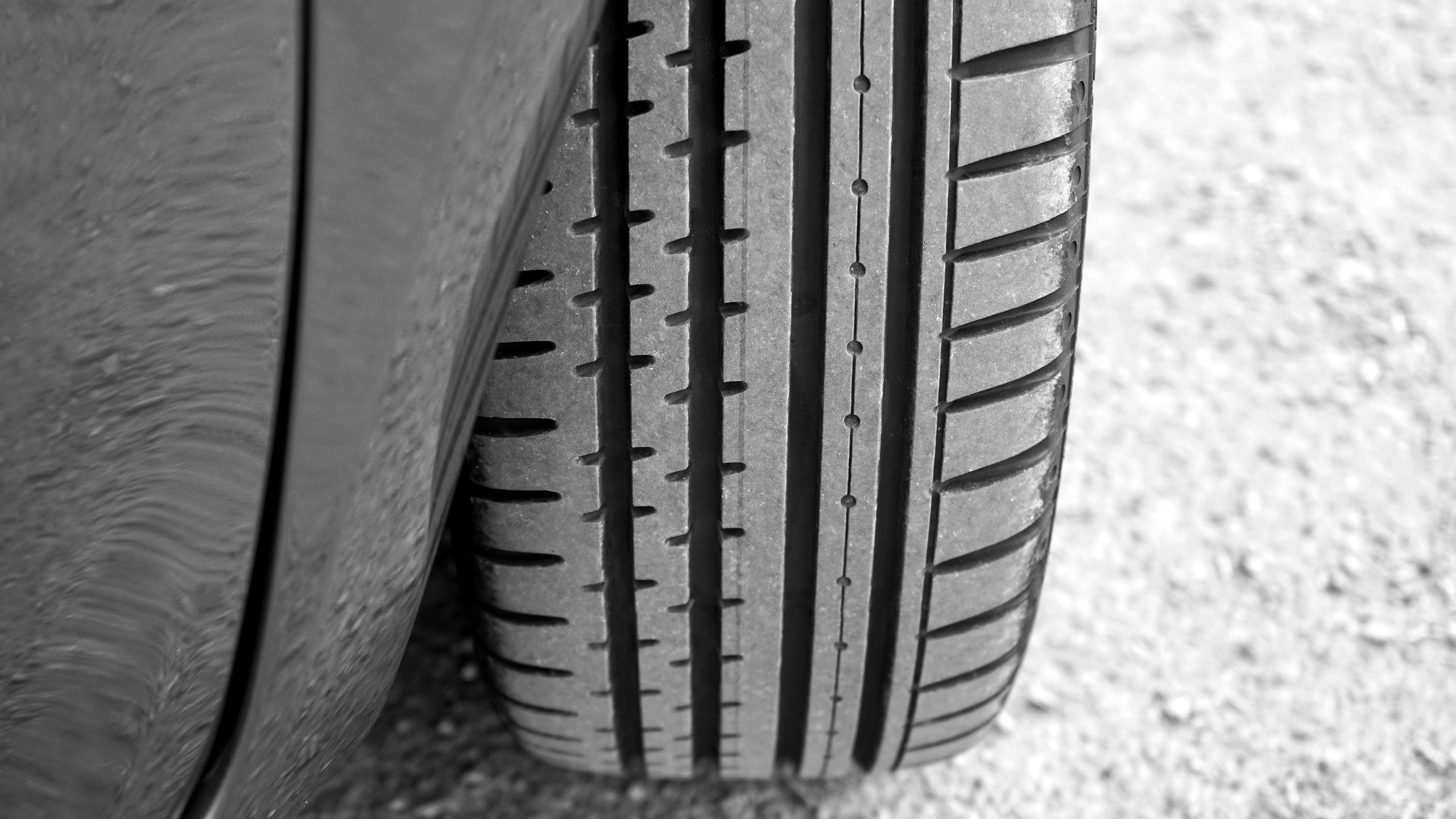
Take a good look at your tires. Do they have bald spots? Are parts of the tread worn down more than others? Uneven tire wear is a common sign of bad shocks.
When shocks stop working properly, they can’t keep your tires firmly on the road. This leads to parts of the tires wearing out faster than others. You might see cupping, where tires look like they have wavy dips on the surface. This doesn’t just shorten tire life—it also makes driving more dangerous.
If your tires look strange or feel noisy on the road, it might be more than just the tires themselves. The real problem could be the shocks.
5. Leaking Shock Absorber Fluid
Shocks use special hydraulic fluid to work properly. This fluid helps them absorb impact and control movement. But over time, shocks can develop leaks.
If you see oily spots or wetness on the outside of the shock absorber (usually located near the tires), that’s a clear sign of a leak. Once the fluid leaks out, the shock loses its ability to absorb bumps and vibrations. This makes your ride rougher and less controlled.
Don’t ignore leaks. A leaking shock means it’s time for a replacement—before it fails completely.
6. Vibrations Through the Steering Wheel
When your shocks are worn out, you might feel vibrations in the steering wheel—even when driving on smooth roads. That shaky feeling comes from the tires losing consistent contact with the ground.
Normally, shocks keep the tires firmly planted, which helps absorb road noise and movement. But if they’re not working well, all that motion gets sent up through the steering column and into your hands.
If your steering wheel shakes while driving at normal speeds, especially on paved roads, don’t assume it’s just wheel alignment. It could be a shock problem.
7. Rattling, Clunking, or Knocking Sounds
Strange noises when going over bumps? That could mean your shocks or their mounts are worn or damaged. When the metal parts inside a shock become loose or broken, they rattle around and make noise.
You might hear clunks or bangs as the shock fails to absorb movement correctly. It can also mean the rubber bushings that hold the shocks in place are cracked or worn out.
These sounds won’t fix themselves. They’re a sign that your car’s suspension system needs attention soon.
Why You Shouldn’t Ignore These Symptoms
Bad shocks are more than just annoying—they can lead to dangerous situations on the road. Here’s what can happen if you don’t replace them:
- Longer braking distance: Worn shocks can increase how long it takes to stop your car.
- Poor handling: Turning, swerving, and even changing lanes becomes riskier.
- Tire damage: You’ll wear through tires faster, costing more money in the long run.
- Risk in wet or icy weather: Your tires lose grip, especially in rain or snow, making sliding more likely.
By catching these symptoms early, you can stay safe and avoid expensive repairs.
When to Replace Your Shocks
So, when is the right time to replace your shocks? A general rule is every 50,000 to 100,000 miles.
But that depends on your driving habits and road conditions. If you drive on rough roads, carry heavy loads, or tow often, your shocks may wear out faster.
Have your shocks checked regularly—especially if you’re experiencing any of the symptoms listed above. Replacing shocks isn’t just about comfort—it’s about keeping your car safe and easy to drive.
Final Thoughts
Your shocks work hard to keep you safe, stable, and comfortable. But like any part of your car, they wear out over time. Now that you know the most telling bad shocks symptoms—bouncing, nose diving, swaying, weird tire wear, leaking fluid, vibrations, and strange noises—you can take action before things get worse.
Don’t wait until your car feels like a bouncy house or sounds like a junkyard. Pay attention to these signs, get your shocks checked, and enjoy the peace of mind that comes with a smooth and safe ride.